Looking to streamline your software development lifecycle? Azure DevOps offers a powerful, integrated suite of tools that can transform how your team builds, tests, and deploys applications—faster, smarter, and more reliably.
What Is Azure DevOps and Why It Matters
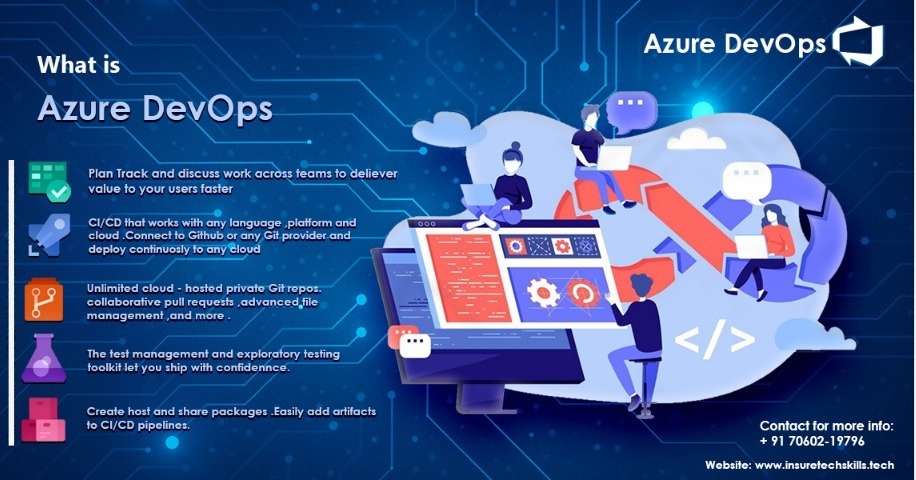
Azure DevOps is Microsoft’s comprehensive platform designed to support end-to-end software development processes. It brings together development, operations, and collaboration tools under one roof, enabling teams to deliver high-quality software with speed and consistency. Whether you’re a startup or an enterprise, Azure DevOps provides the infrastructure and services needed to scale your DevOps practices.
Core Components of Azure DevOps
Azure DevOps is not a single tool but a collection of integrated services that work together seamlessly. These include Azure Repos for source control, Azure Pipelines for CI/CD, Azure Boards for agile project management, Azure Test Plans for testing, and Azure Artifacts for package management. Each component can be used independently or as part of a unified workflow.
- Azure Repos: Git repositories or Team Foundation Version Control (TFVC) for code management.
- Azure Pipelines: Cloud and on-premises continuous integration and delivery pipelines.
- Azure Boards: Agile tools like Kanban boards, backlogs, and sprint planning.
How Azure DevOps Fits into Modern DevOps Culture
DevOps is more than just tools—it’s a cultural shift that emphasizes collaboration, automation, and continuous improvement. Azure DevOps supports this culture by providing transparency across teams, automating repetitive tasks, and enabling rapid feedback loops. According to Microsoft, organizations using Azure DevOps report up to a 30% increase in deployment frequency and a 50% reduction in change failure rates.
“Azure DevOps bridges the gap between development and operations, making it easier to deliver value to customers faster.” — Microsoft Azure Documentation
Azure Repos: Mastering Source Control
At the heart of any development process is version control, and Azure Repos delivers robust support for both Git and TFVC. With Azure Repos, developers can manage code efficiently, collaborate in real time, and maintain a secure, auditable history of changes.
Git vs. TFVC: Choosing the Right Version Control
Git is the default and most widely used option in Azure Repos, offering distributed version control ideal for agile teams. It allows branching, merging, and offline work. On the other hand, TFVC is a centralized version control system better suited for teams requiring strict control over file versions, such as those in regulated industries.
- Git: Best for distributed teams, frequent branching, and modern CI/CD workflows.
- TFVC: Ideal for linear development, file locking, and audit-heavy environments.
Branching Strategies and Best Practices
Effective branching is crucial for maintaining code quality and enabling parallel development. Azure Repos supports popular strategies like GitFlow, GitHub Flow, and Trunk-Based Development. For example, using feature branches allows developers to work on new functionality without disrupting the main codebase.
Microsoft recommends using branch policies to enforce quality gates. These can require pull request reviews, status checks (like passing builds), and linked work items before merging. This ensures that only tested, approved code enters the main branch.
Azure Pipelines: Automating CI/CD Like a Pro
Azure Pipelines is one of the most powerful features of Azure DevOps, enabling continuous integration and continuous delivery (CI/CD) for virtually any platform and language. Whether you’re deploying to Azure, AWS, or on-premises servers, Azure Pipelines can automate your entire workflow.
Setting Up Your First CI Pipeline
Creating a CI pipeline starts with connecting your code repository—whether it’s in Azure Repos, GitHub, or another service. Once connected, you define a azure-pipelines.yml file in your repo that specifies the build steps. This YAML file is version-controlled, making your pipeline configuration transparent and reproducible.
For example, a simple CI pipeline for a .NET application might include:
- Restore NuGet packages
- Build the solution
- Run unit tests
- Publish artifacts for deployment
Each step runs in a hosted or self-hosted agent, with logs and results available in real time.
Configuring CD Pipelines for Seamless Deployments
Continuous delivery (CD) extends CI by automatically deploying code to staging or production environments after successful builds. Azure Pipelines supports multi-stage deployments with approval gates, manual interventions, and environment-specific variables.
You can deploy to various targets, including:
- Azure App Services
- Kubernetes clusters
- Virtual machines via WinRM or SSH
- On-premises servers using deployment groups
For enhanced security, use service connections to authenticate with external services without hardcoding credentials. Azure Key Vault integration is also supported for managing secrets securely.
Azure Boards: Agile Project Management Made Easy
Delivering software quickly isn’t just about automation—it’s also about managing work effectively. Azure Boards provides a flexible, visual way to plan, track, and discuss work across teams using agile methodologies.
Work Item Types and Workflow Customization
Azure Boards uses work items to represent tasks, bugs, user stories, features, and epics. Each work item type has a customizable workflow (e.g., New → Active → Resolved → Closed) that reflects your team’s process.
You can also create custom work item types and fields to match your organization’s needs. For example, a compliance team might add a “Regulatory Impact” field to user stories.
Kanban Boards and Sprint Planning
The Kanban board in Azure Boards visualizes work as cards moving through columns like “To Do,” “In Progress,” and “Done.” Teams can set work-in-progress (WIP) limits to avoid bottlenecks and improve flow.
For Scrum teams, Azure Boards supports sprint planning with backlog grooming, capacity planning, and sprint retrospectives. You can assign tasks to sprints, track velocity, and generate burndown charts to monitor progress.
“Agile teams using Azure Boards report a 40% improvement in sprint predictability.” — Microsoft Case Study
Azure Test Plans: Ensuring Quality at Speed
Testing is a critical part of the DevOps lifecycle, and Azure Test Plans provides manual and exploratory testing tools to ensure software quality without slowing down delivery.
Manual Testing and Test Case Management
Azure Test Plans allows teams to create, organize, and execute manual test cases directly within Azure DevOps. Testers can link test cases to user stories or requirements, ensuring full traceability.
During test execution, testers can log results, attach screenshots, and report bugs—all without leaving the platform. This integration reduces context switching and improves accountability.
Exploratory Testing and Feedback Collection
Exploratory testing lets QA engineers test applications freely while Azure Test Plans records their actions. This is useful for uncovering edge cases that scripted tests might miss.
The Feedback Client enables stakeholders to provide real-time feedback on builds or prototypes. Product owners can annotate screenshots, record sessions, and link feedback directly to work items for quick resolution.
Azure Artifacts: Streamline Package Management
Modern applications depend on numerous libraries and packages. Azure Artifacts helps manage these dependencies by providing private, secure feeds for NuGet, npm, Maven, and Python packages.
Creating and Managing Private Feeds
With Azure Artifacts, you can create private feeds to share packages across teams securely. This avoids reliance on public registries and ensures consistency in package versions.
To get started, create a feed in your project, then publish packages using standard CLI tools like nuget push or npm publish. You can also upstream public feeds (like npmjs.org) to cache external packages and improve download speeds.
Integrating Artifacts with CI/CD Pipelines
Azure Artifacts integrates seamlessly with Azure Pipelines. During a build, your pipeline can restore packages from your feed. In a release pipeline, you can publish newly built packages back to the feed for reuse.
This creates a closed-loop system where internal libraries are versioned, tested, and distributed automatically—reducing duplication and improving maintainability.
Security, Governance, and Compliance in Azure DevOps
As organizations scale their use of Azure DevOps, security and governance become critical. The platform provides robust controls to manage access, audit activity, and enforce policies across projects.
Role-Based Access Control (RBAC) and Permissions
Azure DevOps uses a granular permission model. You can assign roles like Reader, Contributor, or Project Administrator at the project, team, or repository level.
For example, you might restrict direct pushes to the main branch and require pull requests with approvals. You can also integrate with Azure Active Directory (Azure AD) for single sign-on and conditional access policies.
Audit Logs and Compliance Reporting
Azure DevOps retains audit logs for key operations like user access changes, pipeline executions, and work item modifications. These logs are essential for compliance with standards like ISO 27001, SOC 2, and GDPR.
You can export logs to Azure Monitor or a SIEM tool for long-term retention and analysis. Microsoft also provides a Security & Compliance Guide to help organizations meet regulatory requirements.
Integrations and Extensibility of Azure DevOps
No tool works in isolation, and Azure DevOps excels in its ability to integrate with third-party services and extend functionality through custom extensions.
Popular Integrations with GitHub, Jenkins, and Slack
Azure DevOps can connect to GitHub repositories for CI/CD, allowing teams to use GitHub for code hosting while leveraging Azure Pipelines for automation. It also supports Jenkins through service hooks for hybrid scenarios.
For team collaboration, Azure DevOps integrates with Slack and Microsoft Teams. You can receive notifications about build failures, pull request approvals, or work item updates directly in your chat channels.
Custom Extensions from the Azure Marketplace
The Azure DevOps Marketplace offers hundreds of extensions for code quality, deployment, monitoring, and more. Popular tools include SonarQube for static analysis, Octopus Deploy for advanced release management, and Terraform for infrastructure as code.
You can also build and publish your own extensions using the Azure DevOps REST API and SDK.
What is Azure DevOps?
Azure DevOps is a Microsoft platform that provides a suite of development tools for version control, CI/CD, project management, testing, and package management. It supports both cloud and on-premises development workflows and integrates with a wide range of third-party tools.
How much does Azure DevOps cost?
Azure DevOps offers a free tier for small teams (up to 5 users) with unlimited private repos and CI/CD minutes. Paid plans start at $6/user/month for advanced features like additional parallel jobs and premium test plans. Some services, like Azure Pipelines, also offer free minutes for open-source projects.
Can Azure DevOps work with GitHub?
Yes, Azure DevOps integrates seamlessly with GitHub. You can trigger CI/CD pipelines from GitHub commits, manage issues, and even use GitHub as a source for Azure Pipelines. The integration supports both public and private repositories.
Is Azure DevOps the same as Azure DevOps Server?
No. Azure DevOps refers to the cloud-based service (formerly Visual Studio Team Services), while Azure DevOps Server is the on-premises version. Both offer similar features, but the cloud version receives regular updates and requires no infrastructure management.
How do I secure my Azure DevOps environment?
Secure Azure DevOps by enabling Azure AD integration, enforcing MFA, using branch policies, restricting permissions, and reviewing audit logs regularly. Also, use service connections with least-privilege access and integrate with Azure Key Vault for secret management.
Azure DevOps is more than just a toolset—it’s a complete ecosystem that empowers teams to embrace DevOps principles with confidence. From code to cloud, it provides the visibility, automation, and collaboration needed to deliver software faster and with higher quality. Whether you’re just starting your DevOps journey or scaling across multiple teams, Azure DevOps offers the flexibility, security, and integrations to succeed. By mastering its core services—Repos, Pipelines, Boards, Test Plans, and Artifacts—you can build a modern, efficient, and resilient software delivery pipeline.
Further Reading:
