If you’ve ever wondered ‘Azure what is’, you’re not alone. Millions of businesses and developers are turning to Microsoft Azure for scalable, secure, and innovative cloud solutions. Let’s dive into what makes Azure a game-changer.





Azure What Is: A Complete Overview

When people ask ‘Azure what is’, they’re often looking for a clear, straightforward explanation of Microsoft’s cloud computing platform. Azure is not just another tech buzzword—it’s a full-fledged ecosystem that powers everything from small startups to Fortune 500 companies. At its core, Azure provides on-demand computing resources over the internet, allowing organizations to build, deploy, and manage applications through Microsoft’s global network of data centers.
Unlike traditional IT infrastructure, which requires physical servers and massive upfront investments, Azure operates on a pay-as-you-go model. This means you only pay for the services you use, making it highly cost-effective and scalable. Whether you need virtual machines, data storage, AI tools, or networking capabilities, Azure delivers them all through a unified platform.
Microsoft launched Azure in 2010, originally under the name Windows Azure, and has since evolved it into one of the top three cloud platforms globally, alongside Amazon Web Services (AWS) and Google Cloud Platform (GCP). Its integration with other Microsoft products like Office 365, Dynamics 365, and Active Directory gives it a unique edge in enterprise environments.
How Azure Differs from Traditional IT
Traditional IT infrastructure involves purchasing, maintaining, and upgrading physical hardware. This process is not only expensive but also time-consuming and inflexible. Azure eliminates these challenges by offering virtualized resources that can be spun up in minutes.
- Scalability: Instantly scale resources up or down based on demand.
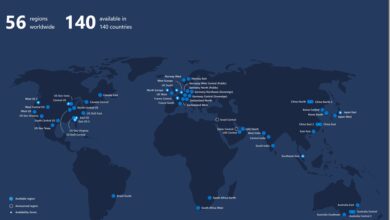
- Global Reach: Access data centers in over 60 regions worldwide.
- Automation: Use built-in tools to automate deployment, monitoring, and security.
This shift from capital expenditure (CapEx) to operational expenditure (OpEx) is one of the biggest reasons organizations are migrating to Azure. For more details, visit the official Microsoft Azure overview page.
Core Components of Azure
To truly understand ‘Azure what is’, it’s essential to break down its main components. These include compute, storage, networking, and management tools, each serving a specific function within the cloud ecosystem.
azure what is – Azure what is menjadi aspek penting yang dibahas di sini.
- Compute: Includes Virtual Machines (VMs), Azure Functions (serverless), and Kubernetes Services (AKS).
- Storage: Offers Blob Storage (unstructured data), Disk Storage (for VMs), and File Shares.
- Networking: Features Virtual Networks, Load Balancers, and Azure DNS for seamless connectivity.
- Management Tools: Azure Portal, Azure CLI, and Azure PowerShell for administration.
These components work together to provide a robust environment for developing and running modern applications. They are accessible via a web-based dashboard or command-line tools, giving users flexibility in how they interact with the platform.
“Azure is more than just cloud infrastructure—it’s a platform for innovation.” — Satya Nadella, CEO of Microsoft
Azure What Is: Key Services Explained
Understanding ‘Azure what is’ requires a deep dive into its key services. Microsoft Azure offers over 200 services, but some stand out due to their popularity and functionality. These services cater to developers, IT professionals, data scientists, and business leaders alike.
From artificial intelligence to Internet of Things (IoT), Azure provides tools that enable digital transformation across industries. Let’s explore the most impactful services that define what Azure is today.
Compute Services: Powering Applications
Azure’s compute services are the backbone of its platform. They allow users to run code, host websites, and execute complex workloads in the cloud.
- Azure Virtual Machines: Flexible computing environments that mimic physical servers.
- Azure App Service: A fully managed platform for building web and mobile apps.
- Azure Functions: A serverless compute service that runs code in response to events.
- Azure Kubernetes Service (AKS): Simplifies container orchestration using Kubernetes.
These services support multiple programming languages, including .NET, Java, Node.js, Python, and PHP. Developers can deploy applications quickly without worrying about underlying infrastructure.
For example, a startup can use Azure App Service to launch a web application in minutes, while a large enterprise might use AKS to manage thousands of microservices. The flexibility of Azure’s compute offerings makes it suitable for virtually any use case.
Data & Storage Solutions
Data is the lifeblood of modern businesses, and Azure offers a comprehensive suite of storage and database services to manage it efficiently.
azure what is – Azure what is menjadi aspek penting yang dibahas di sini.
- Azure Blob Storage: Ideal for storing large amounts of unstructured data like images, videos, and backups.
- Azure SQL Database: A fully managed relational database service based on SQL Server.
- Azure Cosmos DB: A globally distributed, multi-model database for high-performance applications.
- Azure Data Lake: Designed for big data analytics and machine learning workloads.
These services ensure data is secure, highly available, and scalable. With features like automatic backups, geo-replication, and threat detection, Azure helps organizations meet compliance and performance requirements.
For instance, a healthcare provider can use Azure SQL Database to store patient records securely, while an e-commerce company might leverage Cosmos DB to handle millions of transactions per second during peak shopping seasons.
Azure What Is: Security & Compliance Features
One of the most critical aspects of ‘Azure what is’ revolves around security. In an era of increasing cyber threats, businesses demand cloud platforms that prioritize data protection and regulatory compliance.
Azure is built with security at its core. It offers a layered defense strategy that includes physical security of data centers, network protection, identity management, and threat intelligence.
Built-In Security Tools
Azure provides a range of native security tools designed to protect resources and detect threats in real time.
- Azure Security Center: Offers unified security management and advanced threat protection across hybrid cloud workloads.
- Azure Defender: An extended detection and response (XDR) solution that monitors for threats across servers, containers, and applications.
- Azure Firewall: A managed, cloud-native firewall service for network traffic filtering.
- Azure DDoS Protection: Shields applications from distributed denial-of-service attacks.
These tools provide continuous monitoring, vulnerability assessments, and automated remediation. For example, if a virtual machine is found to have an open port that could be exploited, Azure Security Center will alert the administrator and suggest fixes.
Additionally, Azure integrates with third-party security solutions, allowing organizations to maintain their existing tools while benefiting from Azure’s native capabilities.
azure what is – Azure what is menjadi aspek penting yang dibahas di sini.
Compliance & Certifications
Azure holds more compliance certifications than any other cloud provider, making it a trusted choice for regulated industries such as finance, healthcare, and government.
- ISO/IEC 27001, 27017, 27018
- GDPR (General Data Protection Regulation)
- HIPAA (Health Insurance Portability and Accountability Act)
- SOC 1, SOC 2, SOC 3
- PCI DSS (Payment Card Industry Data Security Standard)
This extensive compliance portfolio ensures that organizations can meet legal and regulatory requirements when storing and processing data in Azure. Microsoft regularly publishes audit reports and transparency documents, which are available to customers through the Microsoft Compliance Manager.
“Trust is the foundation of the cloud. Azure is designed to earn it every day.” — Microsoft Azure Trust Center
Azure What Is: AI & Machine Learning Capabilities
Another dimension of ‘Azure what is’ lies in its artificial intelligence and machine learning offerings. Azure has positioned itself as a leader in democratizing AI, making advanced technologies accessible to developers and businesses of all sizes.
Whether you’re building intelligent chatbots, analyzing customer sentiment, or predicting equipment failures, Azure provides the tools to bring AI into your applications without requiring deep expertise in data science.
Azure Cognitive Services
Azure Cognitive Services are pre-built AI models that developers can integrate into their applications with minimal coding.
- Computer Vision: Analyze images and extract text, objects, and faces.
- Speech Services: Convert speech to text and vice versa, with support for multiple languages.
- Language Understanding (LUIS): Build natural language processing models for chatbots and voice assistants.
- Translator Text API: Real-time translation across 60+ languages.
- Face API: Detect, recognize, and verify human faces in photos.
These services are used by companies to enhance customer experiences. For example, a retail app can use Computer Vision to let users search for products by taking a photo, while a call center can use Speech Services to transcribe customer calls automatically.
More information can be found on the Azure Cognitive Services official page.
azure what is – Azure what is menjadi aspek penting yang dibahas di sini.
Azure Machine Learning Studio
For those who want more control over AI models, Azure Machine Learning Studio offers a comprehensive environment for building, training, and deploying machine learning models.
- Drag-and-drop interface for visual model creation.
- Support for Python, R, and Jupyter Notebooks.
- AutoML (Automated Machine Learning) to simplify model development.
- Integration with popular frameworks like TensorFlow and PyTorch.
- Model deployment as web services for real-time predictions.
This tool is ideal for data scientists and developers who want to create custom AI solutions. For instance, a manufacturing company can use Azure ML to predict machine maintenance needs based on sensor data, reducing downtime and saving costs.
The platform also supports MLOps (Machine Learning Operations), enabling teams to manage the lifecycle of ML models just like software code—versioning, testing, and continuous deployment.
Azure What Is: Hybrid & Multi-Cloud Strategy
As businesses evolve, many are adopting hybrid and multi-cloud strategies to balance flexibility, cost, and performance. Understanding ‘Azure what is’ in this context reveals its strength in bridging on-premises infrastructure with cloud environments.
Unlike some cloud providers that push for full migration, Azure embraces a hybrid-first approach, allowing organizations to keep critical systems on-premises while leveraging the cloud for innovation.
Azure Arc: Extending Cloud Management
Azure Arc is a groundbreaking service that extends Azure’s management capabilities to servers, Kubernetes clusters, and data services—regardless of where they are hosted.
- Manage on-premises, edge, and multi-cloud resources from the Azure portal.
- Apply consistent policies, security, and governance across environments.
- Use Azure Policy and Azure Monitor across non-Azure infrastructure.
This means a company can run workloads on AWS or Google Cloud but still manage them using Azure tools. It’s a powerful way to unify operations without vendor lock-in.
azure what is – Azure what is menjadi aspek penting yang dibahas di sini.
For example, a financial institution might use Azure Arc to enforce encryption policies across all its servers, whether they’re in a private data center or on another cloud platform.
Learn more at the Azure Arc product page.
Azure Stack: Bringing the Cloud On-Premises
Azure Stack is a family of products that brings Azure services directly into on-premises data centers.
- Azure Stack Hub: Full-scale solution for service providers and enterprises.
- Azure Stack Edge: Hardware with AI capabilities for edge computing.
- Azure Stack HCI: Hyper-converged infrastructure for virtualized workloads.
This is particularly useful for industries with strict data residency requirements, such as government and healthcare. It allows them to benefit from cloud agility while keeping data within their own facilities.
Azure Stack ensures that developers can build applications once and deploy them anywhere—cloud or on-premises—using the same APIs and tools.
“Hybrid is not a compromise—it’s a strategic advantage.” — Microsoft Azure Team
Azure What Is: Pricing & Cost Management
One of the most frequently asked questions when exploring ‘Azure what is’ is about pricing. How much does it cost? Is it affordable for small businesses? Can you predict your monthly bill?
Azure uses a pay-as-you-go pricing model, which means you only pay for what you use. This is a major shift from traditional IT, where companies had to invest heavily in hardware regardless of actual usage.
azure what is – Azure what is menjadi aspek penting yang dibahas di sini.
Understanding Azure Pricing Models
Azure offers several pricing options to suit different needs:
- Pay-As-You-Go: Standard model with no long-term commitment.
- Reserved Instances: Save up to 72% by committing to 1 or 3 years of usage.
- Spot VMs: Use unused capacity at up to 90% discount (ideal for non-critical workloads).
- Free Tier: Access to many services for free with limited usage.
For example, a developer can start with the free tier to learn Azure, then scale up to pay-as-you-go as their application grows. A large enterprise might purchase reserved instances for predictable workloads to reduce costs significantly.
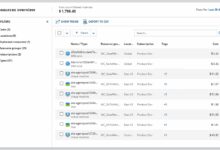
The Azure Pricing Calculator is a powerful tool that helps estimate costs before deployment.
Cost Management Tools
To avoid bill shock, Azure provides robust cost management tools.
- Azure Cost Management + Billing: Track spending, set budgets, and receive alerts.
- Recommendations: Get AI-driven suggestions to optimize resource usage.
- Tags: Categorize resources by department, project, or environment for detailed reporting.
These tools help organizations maintain financial control over their cloud spending. For instance, a CTO can set a monthly budget for each team and get notified if they exceed it.
Additionally, Azure Advisor—a personalized guidance tool—analyzes your usage patterns and recommends ways to save money, improve performance, and enhance security.
Azure What Is: Real-World Use Cases
To truly grasp ‘Azure what is’, it helps to look at real-world applications. Azure isn’t just theoretical—it’s powering innovation across industries.
azure what is – Azure what is menjadi aspek penting yang dibahas di sini.
From disaster recovery to AI-driven customer service, organizations are using Azure to solve real business problems. Let’s explore some compelling use cases.
Disaster Recovery & Business Continuity
Many companies use Azure Site Recovery to replicate on-premises virtual machines to the cloud. In the event of a data center outage, they can failover to Azure within minutes, minimizing downtime.
- Automated replication of VMs and physical servers.
- Non-disruptive testing of failover scenarios.
- Seamless failback once the primary site is restored.
This capability is crucial for industries like banking and healthcare, where even minutes of downtime can have serious consequences.
IoT & Edge Computing
Azure IoT Hub enables organizations to connect, monitor, and manage billions of IoT devices.
- Secure device-to-cloud and cloud-to-device messaging.
- Real-time analytics with Azure Stream Analytics.
- Edge computing with Azure IoT Edge to process data locally.
For example, a logistics company can use Azure IoT to track the location and condition of shipments in real time, while a factory can monitor machine health to prevent breakdowns.
More details are available at Azure IoT Hub.
“The future is not just cloud—it’s cloud, edge, and AI working together.” — Microsoft Azure Vision
What is Azure and why is it important?
azure what is – Azure what is menjadi aspek penting yang dibahas di sini.
Azure is Microsoft’s cloud computing platform that provides a wide range of services including computing, storage, networking, databases, AI, and security. It’s important because it enables businesses to innovate faster, scale efficiently, and reduce IT costs by moving from physical infrastructure to the cloud.
How does Azure compare to AWS?
Both Azure and AWS are leading cloud platforms. Azure excels in integration with Microsoft products and hybrid cloud scenarios, while AWS has a broader global presence and slightly more mature services. The choice often depends on existing IT infrastructure and business needs.
Is Azure free to use?
Azure offers a free account with $200 in credits for 30 days and access to over 55 services for free indefinitely. After the trial, you pay only for what you use, making it cost-effective for experimentation and small projects.
Can Azure be used for AI and machine learning?
Yes, Azure provides powerful AI and machine learning tools like Azure Cognitive Services, Azure Machine Learning Studio, and pre-built AI models that developers can easily integrate into applications.
azure what is – Azure what is menjadi aspek penting yang dibahas di sini.
What industries use Azure?
Azure is used across industries including healthcare, finance, retail, manufacturing, government, and education. Its compliance certifications and hybrid capabilities make it suitable for regulated and complex environments.
In conclusion, ‘Azure what is’ goes far beyond a simple definition. It’s a dynamic, evolving platform that empowers organizations to innovate, scale, and secure their digital future. From startups to global enterprises, Azure provides the tools needed to thrive in the cloud era. Whether you’re interested in computing, AI, security, or hybrid solutions, Azure offers a comprehensive suite of services designed to meet modern business challenges. The key is to start exploring—because in the world of cloud computing, the only constant is change.
Further Reading: