If you’re exploring cloud computing, msft azure stands as a dominant force, offering scalable, secure, and innovative solutions for businesses worldwide. Let’s dive into what makes it a game-changer.





What Is msft azure and Why It Matters

Microsoft Azure, commonly referred to as msft azure, is a comprehensive cloud computing platform developed by Microsoft. Launched in 2010, it has rapidly evolved into one of the top three cloud service providers globally, alongside Amazon Web Services (AWS) and Google Cloud Platform (GCP). What sets msft azure apart is its deep integration with Microsoft’s ecosystem, including Windows Server, Active Directory, Office 365, and Dynamics 365, making it a natural choice for enterprises already invested in Microsoft technologies.
Core Components of msft azure
msft azure is not a single service but a vast collection of over 200 integrated services. These include computing, analytics, storage, networking, and more. The platform supports a wide range of programming languages, tools, and frameworks—both Microsoft-specific and third-party—enabling developers to build, deploy, and manage applications across a global network of data centers.
- Compute services like Virtual Machines and Azure Kubernetes Service (AKS)
- Storage solutions including Blob, Disk, and Queue storage
- Networking features such as Virtual Networks, Load Balancers, and Azure DNS
Each of these components is designed to work seamlessly together, reducing complexity and improving efficiency for IT teams and developers.
Global Reach and Data Center Infrastructure
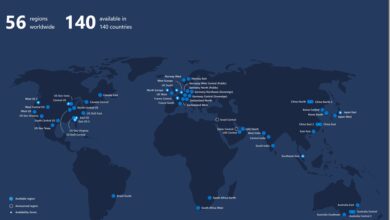
One of the most compelling aspects of msft azure is its global footprint. As of 2024, Microsoft operates in over 60 regions across the world, more than any other cloud provider. This extensive network ensures low-latency access, high availability, and compliance with local data sovereignty laws. For multinational corporations, this means they can deploy applications close to their users, ensuring faster performance and adherence to regional regulations like GDPR in Europe or HIPAA in the U.S.
“Azure’s global infrastructure allows organizations to innovate at scale while maintaining control over data residency and compliance.” — Microsoft Azure Official Documentation
Moreover, Microsoft continues to expand its data center presence, with new regions planned in countries like Switzerland, UAE, and South Korea, further solidifying its leadership in global cloud infrastructure.
Key Benefits of Using msft azure
Organizations adopt msft azure for a variety of strategic reasons. From cost efficiency to enhanced security, the platform delivers tangible benefits that align with modern business objectives. Let’s explore the most impactful advantages.
Cost Efficiency and Pay-as-You-Go Model
One of the primary drivers for cloud adoption is cost savings. msft azure operates on a pay-as-you-go pricing model, meaning businesses only pay for the resources they consume. This eliminates the need for large upfront capital expenditures on hardware and data centers. Additionally, Azure offers reserved instances and hybrid benefits that can reduce costs by up to 80% compared to on-premises solutions.
For example, the Azure Hybrid Benefit allows organizations to use their existing Windows Server and SQL Server licenses with Software Assurance to run virtual machines in the cloud at a significantly reduced rate. This is particularly advantageous for companies with legacy Microsoft investments.
Learn more about Azure pricing models at Microsoft’s official pricing page.
Scalability and Flexibility
msft azure enables businesses to scale resources up or down based on demand. Whether handling seasonal traffic spikes or launching a new application, Azure’s auto-scaling capabilities ensure optimal performance without over-provisioning. This elasticity is crucial for startups and enterprises alike, allowing them to respond quickly to market changes.
Services like Azure App Service and Azure Functions support serverless computing, where developers can run code without managing infrastructure. This not only reduces operational overhead but also accelerates time-to-market for new features and applications.
- Auto-scaling based on CPU, memory, or custom metrics
- Support for microservices architecture via Azure Kubernetes Service
- Integration with DevOps tools for continuous deployment
Security and Compliance Leadership
Security is a top priority for any cloud platform, and msft azure excels in this area. Microsoft invests over $1 billion annually in cybersecurity and employs more than 3,500 security experts. Azure provides built-in security features such as Azure Security Center, Azure Defender, and Azure Firewall, which offer threat detection, vulnerability assessment, and network protection.
Furthermore, msft azure complies with over 140 international and industry-specific standards, including ISO 27001, SOC 1/2/3, HIPAA, FedRAMP, and GDPR. This makes it a trusted choice for government agencies, financial institutions, and healthcare providers.
Explore Azure’s compliance offerings at Microsoft Learn: Azure Compliance.
msft azure vs. Competitors: How It Stands Out
While AWS and Google Cloud are strong contenders, msft azure differentiates itself through unique capabilities and strategic advantages. Understanding these distinctions helps organizations make informed decisions.
Hybrid Cloud Leadership
Unlike its competitors, msft azure offers best-in-class hybrid cloud solutions. Azure Stack, for instance, allows businesses to run Azure services on-premises, enabling a consistent environment across cloud and data center. This is critical for industries with strict data residency requirements or those undergoing gradual cloud migration.
Hybrid identity management through Azure Active Directory (Azure AD) further strengthens this advantage. Organizations can seamlessly integrate on-premises directories with cloud applications, ensuring secure access without compromising user experience.
“Azure is the only cloud provider that delivers true hybrid continuity, from edge to cloud.” — Satya Nadella, CEO of Microsoft
Deep Integration with Microsoft 365 and Dynamics
For businesses using Microsoft 365 (formerly Office 365) or Dynamics 365, msft azure provides unparalleled integration. Data flows securely between productivity apps, CRM, ERP, and backend services, enabling automation, analytics, and AI-driven insights. For example, Power BI can pull real-time data from Azure SQL Database to generate interactive dashboards, empowering decision-makers across departments.
This ecosystem synergy reduces integration costs and complexity, making msft azure a strategic enabler for digital transformation.
Superior Enterprise Support and SLAs
Microsoft offers robust support plans tailored to enterprise needs, including 24/7 technical assistance, architectural guidance, and dedicated account teams. Azure guarantees a 99.9% uptime SLA (Service Level Agreement) for most services, with financial credits issued if targets are not met.
Additionally, Azure Advisor provides personalized recommendations to optimize performance, security, and cost, helping organizations get the most out of their cloud investment.
Innovative Services Powered by msft azure
msft azure isn’t just about infrastructure—it’s a platform for innovation. From artificial intelligence to the Internet of Things (IoT), Azure empowers developers and businesses to build next-generation applications.
Artificial Intelligence and Machine Learning
Azure AI and Azure Machine Learning provide powerful tools for building intelligent applications. Developers can leverage pre-built AI models for vision, speech, language, and decision-making, or create custom models using automated machine learning (AutoML).
For example, Azure Cognitive Services enable applications to recognize faces, translate languages in real time, or analyze sentiment in customer feedback. These capabilities are used by companies like BMW and Starbucks to enhance customer experiences and streamline operations.
Discover Azure AI capabilities at Azure Cognitive Services.
Internet of Things (IoT) and Edge Computing
msft azure supports large-scale IoT deployments through Azure IoT Hub, Azure Sphere, and Azure Digital Twins. These services allow organizations to connect, monitor, and manage millions of devices securely.
With Azure Edge Zones and Azure Stack Edge, businesses can process data closer to the source—critical for low-latency applications like manufacturing automation, smart cities, and remote healthcare.
- Azure IoT Hub: Centralized device management and telemetry ingestion
- Azure Digital Twins: Modeling physical environments for simulation and optimization
- Azure Percept: An end-to-end AI platform for vision and speech at the edge
Blockchain and Quantum Computing (Emerging Frontiers)
While still in early adoption, msft azure offers Azure Blockchain Service and Azure Quantum, positioning itself at the forefront of emerging technologies. Although Azure Blockchain Service is being retired in 2024, Microsoft continues to support blockchain development through partnerships and open-source tools.
Azure Quantum, on the other hand, provides access to quantum hardware from partners like IonQ and Quantinuum, enabling researchers and developers to experiment with quantum algorithms and solve complex problems in chemistry, logistics, and cryptography.
Real-World Use Cases of msft azure
Across industries, msft azure is driving digital transformation. Let’s look at how different sectors are leveraging the platform.
Healthcare: Improving Patient Outcomes
Hospitals and healthcare providers use msft azure to store and analyze electronic health records (EHR), enable telemedicine, and accelerate medical research. For instance, the UK’s National Health Service (NHS) uses Azure to power its cloud-based patient data platform, ensuring secure access and interoperability across systems.
Azure Health Data Services supports FHIR (Fast Healthcare Interoperability Resources) standards, making it easier to integrate data from various sources for AI-driven diagnostics and personalized treatment plans.
Finance: Securing Transactions and Enabling Innovation
Banks and financial institutions rely on msft azure for fraud detection, risk modeling, and regulatory compliance. JPMorgan Chase, for example, uses Azure to run high-performance computing workloads for financial simulations and trading algorithms.
Azure Confidential Computing protects data in use through hardware-based Trusted Execution Environments (TEEs), ensuring sensitive financial data remains encrypted even during processing.
Retail and E-commerce: Personalizing Customer Experiences
Retailers like ASOS and Walmart use msft azure to power recommendation engines, manage inventory in real time, and scale during peak shopping seasons. Azure AI analyzes customer behavior to deliver personalized product suggestions, increasing conversion rates and customer loyalty.
Additionally, Azure’s Content Delivery Network (CDN) ensures fast loading of product images and videos, enhancing the online shopping experience.
Getting Started with msft azure: A Practical Guide
Whether you’re a developer, IT administrator, or business leader, starting with msft azure is straightforward. Here’s how to begin your journey.
Creating an Azure Account and Free Tier Access
Microsoft offers a free account that includes $200 in credits for 30 days and access to over 55 services for 12 months. This allows users to experiment with virtual machines, databases, and AI tools without financial risk.
To sign up, visit Azure Free Account and register with a valid email and credit card (no charges unless you upgrade).
Navigating the Azure Portal and Key Tools
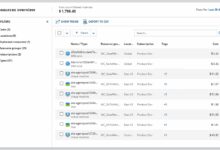
The Azure portal (portal.azure.com) is the central hub for managing resources. It features an intuitive dashboard, resource groups, and role-based access control (RBAC). Key tools include:
- Azure CLI and PowerShell for automation
- Azure Monitor for performance tracking
- Azure DevOps for CI/CD pipelines
Familiarizing yourself with these tools is essential for efficient cloud management.
Best Practices for Deployment and Management
To maximize the value of msft azure, follow these best practices:
- Use resource groups to organize and manage related services
- Implement tagging for cost tracking and governance
- Enable multi-factor authentication (MFA) for all user accounts
- Regularly review Azure Advisor recommendations
- Back up critical data using Azure Backup and Site Recovery
Adopting these practices ensures security, cost control, and operational efficiency.
The Future of msft azure: Trends and Predictions
As technology evolves, so does msft azure. Several trends are shaping its future direction.
AI-Driven Cloud Operations
Microsoft is integrating AI deeply into Azure’s operations. Azure Automanage and Azure Arc use machine learning to automate routine tasks like patching, scaling, and security updates. This reduces human error and frees IT teams to focus on strategic initiatives.
In the future, AI will predict failures before they occur and optimize resource allocation in real time, making cloud management more intelligent and proactive.
Expansion of Edge and 5G Integration
With the rise of 5G networks, msft azure is expanding its edge computing capabilities. Azure Private MEC (Multi-access Edge Computing) enables ultra-low latency applications by bringing cloud services directly to cellular networks.
This is transformative for industries like autonomous vehicles, augmented reality, and industrial automation, where split-second decisions are critical.
Sustainability and Green Cloud Initiatives
Microsoft has committed to being carbon negative by 2030 and removing all historical emissions by 2050. msft azure plays a key role in this mission through energy-efficient data centers powered by renewable energy.
Azure customers can now view their carbon footprint using the Microsoft Cloud for Sustainability dashboard, helping them meet ESG (Environmental, Social, and Governance) goals.
Learn more about Microsoft’s sustainability efforts at Microsoft Sustainability.
What is msft azure?
msft azure is Microsoft’s cloud computing platform that provides a wide range of services including computing, storage, networking, AI, and analytics. It enables businesses to build, deploy, and manage applications across a global network of data centers.
How does msft azure compare to AWS?
While AWS has a larger market share, msft azure excels in hybrid cloud capabilities, integration with Microsoft products, and enterprise support. Azure is often preferred by organizations already using Microsoft 365, Active Directory, or Windows-based systems.
Is msft azure secure?
Yes, msft azure is highly secure, with built-in threat protection, encryption, and compliance with over 140 standards. Microsoft invests heavily in cybersecurity and offers tools like Azure Security Center to help customers monitor and protect their environments.
Can I use msft azure for AI and machine learning?
Absolutely. msft azure offers Azure AI and Azure Machine Learning, which provide pre-built models, automated ML, and tools for developing custom AI solutions. These services are used by companies worldwide to enhance customer experiences and drive innovation.
How much does msft azure cost?
Pricing varies based on usage. Azure uses a pay-as-you-go model, with free tiers and credits available for new users. Costs depend on services used, such as virtual machines, storage, and data transfer. Detailed pricing is available on the official Azure website.
In conclusion, msft azure is more than just a cloud platform—it’s a strategic enabler of digital transformation. With its global reach, robust security, hybrid capabilities, and innovation in AI and edge computing, it empowers organizations to scale, secure, and innovate like never before. Whether you’re a startup or a Fortune 500 company, msft azure offers the tools and infrastructure to succeed in the digital age. By understanding its features, benefits, and real-world applications, businesses can make informed decisions and unlock the full potential of the cloud.
Further Reading: